

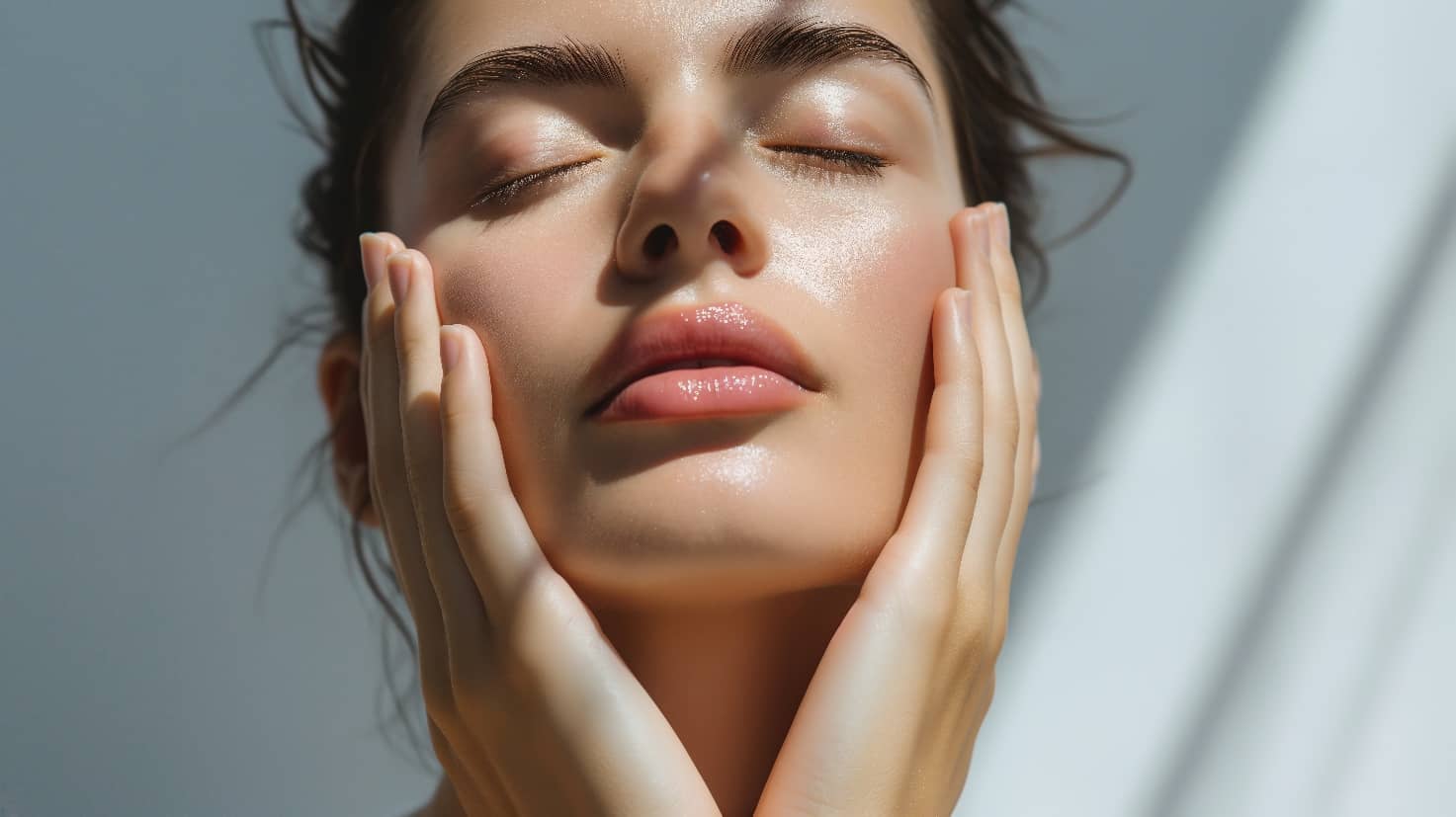
The relationship between stress and skin health is becoming an increasingly relevant area of cosmetic research and formulation development. Beyond environmental aggressors such as pollution, UV radiation and temperature fluctuations, psychological stress can influence the skin’s ability to maintain hydration, preserve its protective barrier and recover from external challenges.
This scientific understanding is opening new opportunities for anti-stress skincare, with formulations designed not simply to address visible signs of fatigue but to support the skin’s natural resilience.
The concept of skin resilience is particularly important. Rather than focusing exclusively on correcting visible imperfections, innovative skincare formulations aim to reinforce the skin’s capacity to maintain balance under challenging conditions.
Understanding Skin Stress: The Science Behind Cutaneous Resilience
The skin is a complex biological system that continuously interacts with its external environment and responds to internal physiological signals.
Scientific research has demonstrated that psychological stress can affect epidermal barrier function through neuroendocrine and immune mechanisms.
An evidence-based review published in the British Journal of Dermatology examined 21 studies investigating the relationship between psychological stress and epidermal barrier function. The findings indicated that stress-related hormonal responses can interfere with the production of epidermal lipids and structural proteins, reduce skin hydration and increase transepidermal water loss (TEWL).
These alterations can compromise the skin’s ability to retain moisture and maintain an effective protective barrier.
Recent developments in psychodermatology have further highlighted the importance of the skin–brain axis, a bidirectional communication network involving the nervous, endocrine and immune systems.
A 2026 review published in JAAD International explored the molecular mechanisms through which psychological stress may influence inflammatory responses and skin conditions.
For cosmetic science, these findings provide a framework for developing formulations that support skin barrier integrity and help minimise the visible consequences of environmental and physiological stressors.
This approach introduces the concept of skin resilience: the capacity of the skin to preserve its structural and functional balance despite exposure to challenging conditions.
In cosmetic development, resilience can be approached through several complementary mechanisms, including improved hydration, antioxidant protection, barrier reinforcement and the reduction of visible signs of sensitivity.
However, the distinction between physiological stress and cosmetic performance remains essential.
A topical skincare product may improve skin comfort, hydration and barrier function, but claims suggesting that it directly reduces psychological stress or systemic cortisol levels require specific scientific evidence.
The development of credible anti-stress skincare therefore depends on selecting relevant biological targets and translating them into measurable cosmetic benefits.
Anti-Stress Skincare Ingredients: From Barrier Repair to Adaptogenic Actives
The growing understanding of skin stress is encouraging the exploration of ingredients capable of supporting different aspects of cutaneous resilience.
Among the most established approaches is skin barrier reinforcement.
Ceramides play a fundamental role in the lipid structure of the stratum corneum, helping maintain barrier integrity and limit water loss. Their incorporation into cosmetic formulations can support hydration and improve the condition of dry or compromised-looking skin.
Niacinamide, a multifunctional form of vitamin B3, is another relevant ingredient.
Scientific literature associates topical niacinamide with improved barrier function, increased hydration and reduced transepidermal water loss. Its versatility makes it suitable for different skincare formats, including serums, creams and lightweight emulsions.
Panthenol and selected humectants can further contribute to formulations designed to promote skin comfort and maintain moisture balance.
Beyond these established ingredients, interest is expanding towards ectoin, a molecule associated with cellular protection under stressful environmental conditions.
A systematic review published in 2022 examined clinical studies involving ectoin-containing topical formulations for conditions associated with impaired skin barriers. The findings support its potential for improving dryness and skin comfort, although efficacy depends on the specific formulation and intended application.
Another emerging area involves botanical adaptogens.
Traditionally associated with the concept of adaptation to stress, selected botanical compounds are being investigated for their potential to support skin homeostasis.
A systematic review published in the Journal of Clinical and Aesthetic Dermatology in 2025 identified 29 topical adaptogens discussed in the scientific literature, exploring mechanisms involving antioxidant activity, barrier protection and the modulation of cutaneous responses to stressors.
Botanical ingredients such as Rhodiola rosea, Panax ginseng and Withania somnifera are among the materials being explored within this developing research area.
Their inclusion in a formulation must nevertheless be supported by appropriate evidence regarding topical efficacy, safety, concentration and compatibility.
The emerging field of neurocosmetics introduces additional possibilities.
Neurocosmetic research investigates interactions between cosmetic ingredients, skin sensory pathways and the neuro-immuno-cutaneous system. This field may contribute to new approaches targeting skin comfort, sensitivity and cutaneous responses to external stimuli.
However, not all ingredients described as neurocosmetic have demonstrated equivalent levels of clinical efficacy. Claims concerning effects on psychological well-being or systemic stress must be distinguished from scientifically supported cosmetic effects.
For beauty brands, the opportunity lies in combining established barrier-supporting technologies with carefully selected emerging actives to create formulations that deliver measurable performance and a distinctive sensorial experience.
Transforming advances in skin stress research into a differentiated cosmetic product requires an integrated development approach.
Ingredient selection represents only one element of the process. Formulation architecture, texture, packaging compatibility, product positioning and scientific substantiation must contribute to a coherent concept.
As a Beauty Concept Provider, Essentia Beauty supports beauty brands throughout the product development journey, from the initial brief to the final product.
Its comprehensive full-service approach brings together creative concept development, formulation expertise, packaging innovation and product identity.