

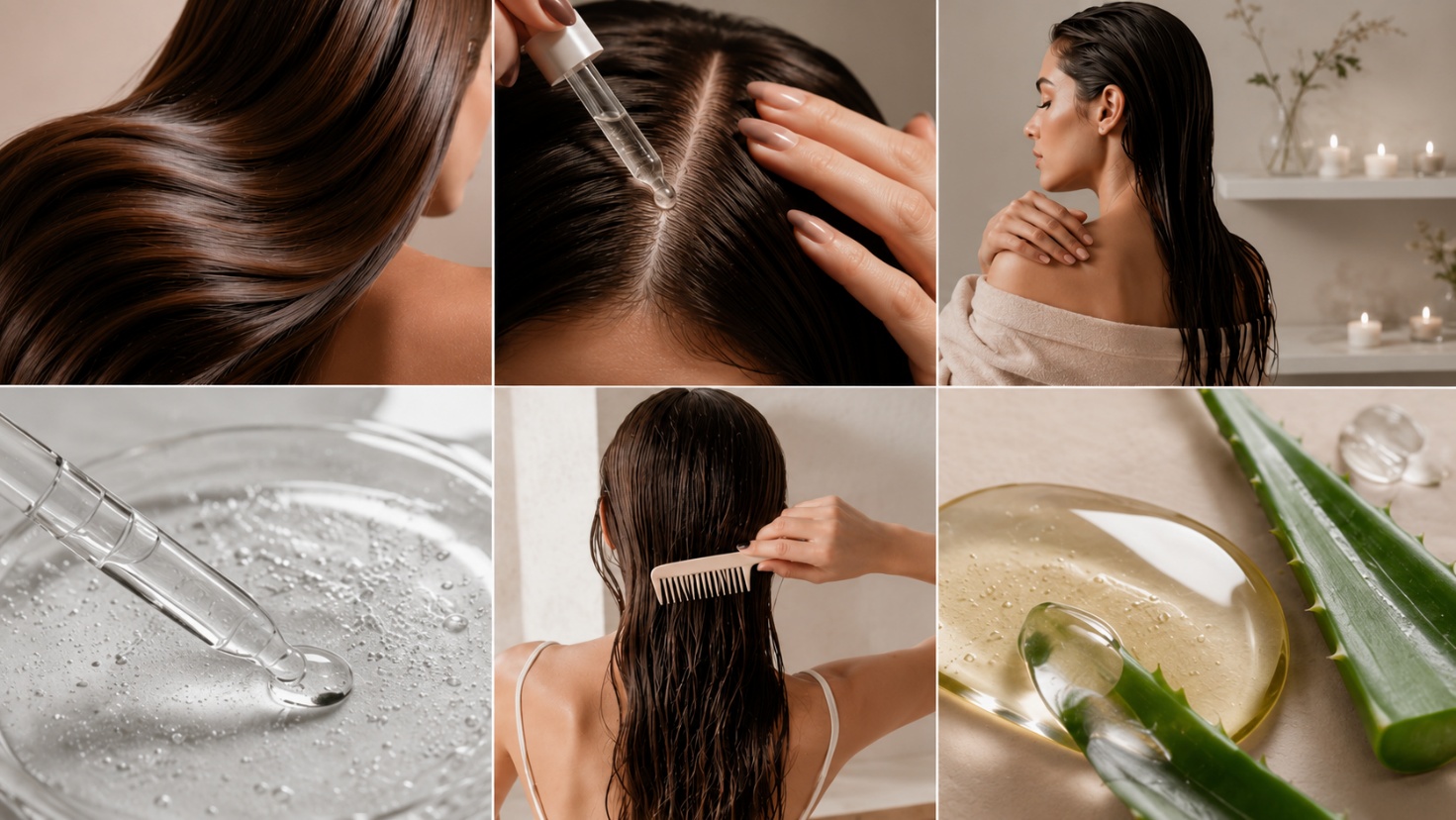
The boundary between skincare and hair care is becoming increasingly fluid. Consumers are approaching hair and scalp health with the same attention once reserved almost exclusively for facial skincare, looking for targeted ingredients, structured routines and products designed around increasingly specific needs. This evolution is driving the Skinification of Hair Care, one of the most relevant transformations currently shaping the hair beauty market.
The phenomenon goes beyond transferring familiar skincare ingredients into shampoos, masks or scalp treatments. It reflects a broader change in expectations: hair care is becoming more scientific, more sophisticated and more closely connected to the idea of prevention, maintenance and long-term wellbeing. As routines become more complex and product claims more specialized, brands face a new challenge. They must translate this evolution into ranges that are not only innovative, but also understandable, distinctive and consistent.
For this reason, the real opportunity created by the Skinification of Hair Care does not begin with an individual formula. It begins with a strong concept capable of interpreting the trend, defining a relevant positioning and connecting formulation, packaging, product identity and consumer experience within the same vision.
Skinification of Hair Care Is Transforming the Way Hair Products Are Developed
The Skinification of Hair Care reflects a fundamental shift in the way consumers think about their hair. Instead of considering shampooing and conditioning as a basic maintenance routine, they increasingly approach hair care through principles traditionally associated with skincare: understanding specific needs, selecting targeted functional ingredients and combining different products within a structured regimen.
Scalp care plays a particularly important role in this evolution. The scalp is increasingly considered an integral part of the beauty routine, encouraging the development of products designed around cleansing, hydration, balance and targeted treatment. At the same time, the language of skincare is entering the hair category through ingredients, textures and application rituals that create a more specialized perception of performance.
This evolution opens new possibilities for innovation. Hair care ranges can incorporate functional ingredients selected around clearly defined benefits, while product formats can evolve to support increasingly sophisticated routines. Serums, targeted treatments, masks and scalp-focused products can coexist alongside more traditional categories, creating broader systems rather than isolated products.
However, adding innovative ingredients does not automatically create an innovative brand. As the category becomes more sophisticated, consumers also need clarity. Every product must have a recognizable role, while the entire range must communicate a coherent purpose.
This makes development more complex. Brands need to determine which interpretation of skinification is relevant to their audience, which needs they intend to address and how the innovation should be translated into a product architecture that remains intuitive. Scientific inspiration, formulation and consumer experience therefore need to evolve together rather than as separate elements.
From Functional Ingredients to New Hair Care Routines
Credit: Image courtesy of The Ordinary
The influence of skincare is changing not only what hair care products contain, but also how they are used and perceived. The growing interest in functional ingredients encourages consumers to look beyond generic promises and search for products associated with clearly identifiable benefits.
This creates an environment in which the credibility of the project becomes increasingly important. Ingredient selection must be connected to the concept of the range rather than treated as an isolated marketing element. A functional ingredient becomes more meaningful when it supports a clearly defined product purpose and fits naturally within the wider routine.
At the same time, the expansion of hair care routines creates opportunities for brands to design more complete consumer experiences. Instead of developing individual products independently, a brand can build a system in which cleansing, scalp care, treatment and maintenance respond to different stages of the same beauty approach.
Innovation therefore becomes multidimensional. It can involve formulation, ingredient selection, texture, application method, packaging and the organization of the routine itself. The objective is not simply to increase the number of products available, but to create a range in which each element has a precise function and reinforces the identity of the project.
Packaging is also part of this equation. As hair care becomes more specialized, the visual and functional architecture of a range must help consumers understand how products differ and how they can be incorporated into their routines. A clear identity can turn technical complexity into an intuitive experience.
Sustainability should be considered with the same level of integration. Responsible product and packaging choices need to originate within the project rather than being added superficially at a later stage.
Why a Strong Concept Is the Real Competitive Advantage
The Skinification of Hair Care creates significant opportunities, but it can also lead to increasingly similar market propositions. Functional ingredients, scientific language and scalp-focused products are becoming more visible across the category. Simply adopting these elements is therefore unlikely to create lasting differentiation.
What can distinguish one project from another is the concept behind it.
A strong concept determines how a trend is interpreted rather than simply reproduced. It establishes the purpose of the range, defines its personality and provides a framework for every subsequent decision. Formula direction, packaging, visual identity and product architecture can then develop around the same central idea.
This approach is particularly relevant for start-ups and new beauty brands, where early decisions have a significant impact on future positioning. Beginning with a coherent concept creates a foundation that can support the launch of the first range while allowing the brand to expand without losing its identity.
Essentia Beauty approaches this process as a Beauty Concept Provider, starting from the client’s initial brief and developing the elements required to transform an idea into a complete beauty project. Concept, innovative formula direction, packaging research and product identity are developed as interconnected components, accompanying the project from the initial idea through to its realization and market launch.
The same approach can support the incubation of new beauty brands by transforming emerging market trends into propositions with a clear point of view. Rather than interpreting Skinification of Hair Care as a formula trend alone, the objective is to identify the opportunity behind it and give that opportunity a distinctive identity.
The future of hair beauty will increasingly combine scientific inspiration, functional performance and more advanced consumer routines. Yet as innovation becomes more accessible and trends spread more rapidly, differentiation will depend on the ability to transform those signals into something recognizable and original.
For brands entering this evolving category, the key question is therefore not simply which skincare-inspired ingredient should appear in the next hair product. It is what the brand wants that product, and the entire range around it, to represent.
This is where concept becomes the foundation of innovation. When trend interpretation, formula, packaging, sustainability and identity originate from one coherent vision, the Skinification of Hair Care can evolve from a market phenomenon into the starting point for a distinctive hair beauty brand.