

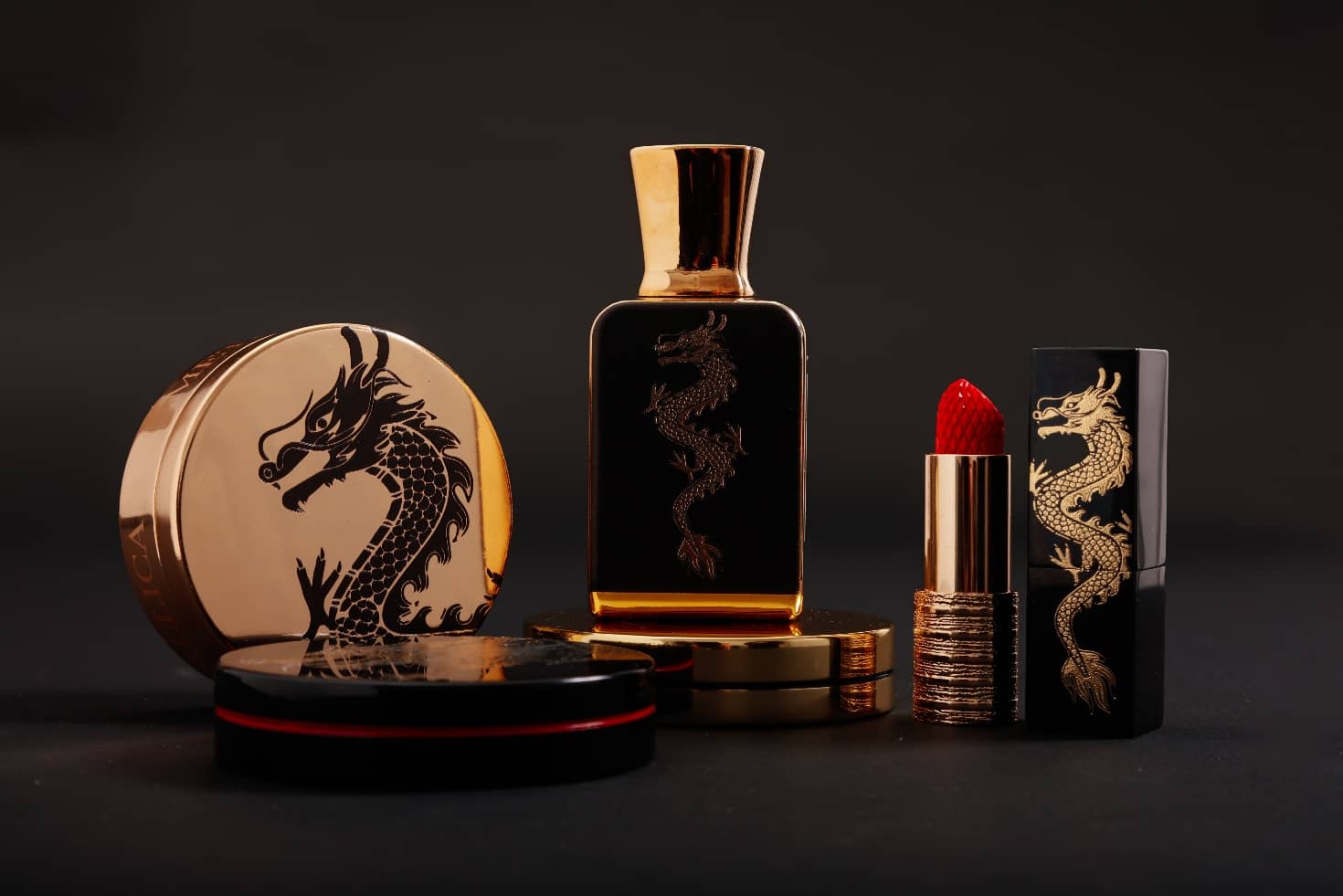
The beauty industry is entering a new era, one in which the rules that shaped successful brands for decades are rapidly evolving. There was a time when competitive advantage was largely determined by access to innovative formulations, exclusive ingredients or advanced manufacturing capabilities. Developing a superior product often represented the most effective way to differentiate a brand and gain market share.
Today, however, the landscape is fundamentally different. Innovation is more accessible than ever before. Formulation expertise, research laboratories and production technologies have become available to an increasingly broad range of companies. As a result, product quality is no longer the defining factor that separates market leaders from emerging competitors.
The brands that succeed today are not necessarily those with the most complex formulation, but those capable of creating a distinctive identity that resonates with consumers on a deeper level. Modern customers do not simply purchase skincare, haircare or cosmetic products. They buy stories, values, experiences and communities. They invest in brands that reflect their aspirations and reinforce their personal identity.
This transformation has profoundly changed the way beauty brands should be conceived. A successful launch no longer starts with asking which product to develop. Instead, it begins with understanding why the brand should exist, what unique perspective it brings to the market and how it can establish a meaningful relationship with its audience. This is why the future of beauty is increasingly becoming concept-first rather than product-first.
Beauty Brand Strategy Begins Before Product Development
A strong Beauty Brand Strategy starts long before product development enters the laboratory. The first and most important stage is defining a strategic vision capable of guiding every subsequent decision throughout the life of the brand.
Every successful beauty project begins by identifying a clear positioning. Who is the ideal customer? Which unmet need does the brand address? What values should consumers associate with it? What emotional territory will it occupy within an increasingly competitive marketplace?
Answering these questions provides the foundation upon which every other element can be built. Without this strategic clarity, even technically excellent products risk becoming interchangeable with countless alternatives already available to consumers.
This represents one of the most significant changes within the beauty industry. Product innovation remains essential, but it is no longer sufficient to create sustainable competitive advantage. A remarkable formula can certainly satisfy consumer expectations, yet it is the concept behind the product that creates recognition, memorability and long-term loyalty.
An effective Beauty Brand Strategy therefore aligns every aspect of the project around a single vision. Brand positioning, visual identity, packaging design, product naming, communication, digital presence and innovation should all express the same narrative. When these elements work together, consumers experience consistency rather than fragmentation, making the brand easier to understand and remember.
The strongest beauty brands are rarely built around individual products. They are built around ideas that consumers recognise and identify with. Products evolve over time, collections expand and trends change, but a clear concept remains the constant element capable of sustaining long-term growth.
This strategic perspective also enables brands to make better decisions throughout their development journey. Rather than reacting to short-term market trends, they can evaluate every opportunity according to whether it reinforces or weakens their original identity. In a highly competitive market, this consistency becomes one of the most valuable assets a brand can possess.
Consumers Don’t Buy Products. They Buy Meaning.
Consumer behaviour has evolved dramatically over the past decade. While efficacy remains important, purchasing decisions are increasingly influenced by intangible factors that extend far beyond product performance.
Today’s consumers seek authenticity. They expect transparency, meaningful values and brands capable of communicating a clear purpose. They want to understand not only what a product does, but why it exists and what it represents.
This explains why two products with similar formulations can achieve completely different commercial outcomes. The difference often lies in perception rather than technical performance.
Packaging has become much more than a protective container. It communicates personality before the product is even opened. Brand identity shapes expectations before the first application. Storytelling creates emotional engagement that transforms a purchase into a personal experience.
Digital communication amplifies this phenomenon. Social media, content marketing and creator collaborations expose consumers to the universe surrounding a brand long before they experience the product itself. Every interaction contributes to building trust or undermining it.
The same principle applies to sustainability. Consumers increasingly distinguish between genuine commitment and superficial environmental claims. Responsible product development, thoughtful packaging choices and transparent communication are becoming integral parts of a brand’s identity rather than isolated marketing initiatives.
Innovation should therefore be interpreted in a broader sense. It is no longer limited to developing new formulations or introducing novel ingredients. True innovation also involves creating original concepts, redefining customer experiences and building brands capable of establishing lasting emotional relevance.
Ultimately, people remember how a brand made them feel far more than they remember the technical specifications of an individual product. They remember its visual language, its values, its personality and its ability to express something they identify with.
This is why concept has become one of the most valuable business assets within the beauty industry. A distinctive concept generates recognition, facilitates communication, strengthens customer loyalty and creates a coherent framework within which products can continuously evolve.
Building a Beauty Brand Requires an Integrated Vision
Transforming an idea into a successful beauty brand requires much more than developing a collection of products. It requires the ability to orchestrate multiple disciplines within a single strategic vision, ensuring that every decision contributes to the same objective.
This process begins with the client’s initial brief. From there, each stage becomes part of an integrated journey where concept development, innovative formulations, packaging research, visual identity and product positioning evolve together rather than independently.
This holistic approach is particularly valuable for entrepreneurs, start-ups and companies entering the beauty industry. Launching a new brand today means navigating an increasingly sophisticated market in which consumers expect consistency across every touchpoint. Creating that consistency cannot be left to chance; it must be designed from the very beginning.
As a Beauty Concept Provider, Essentia Beauty approaches brand creation through a complete turnkey development process. Starting from the client’s vision, every project is shaped through concept definition, formula development, packaging innovation and brand identity, ensuring that each component contributes to a coherent and distinctive market presence.
Rather than treating product development as an isolated activity, every phase is guided by the strategic concept established at the beginning of the journey. This allows innovation, creativity and brand positioning to reinforce one another, resulting in beauty brands that are authentic, memorable and capable of standing out within an increasingly crowded marketplace.
The same philosophy supports both emerging entrepreneurs looking to launch their first beauty brand and established companies seeking to expand into new market segments. Every project is unique because every concept is unique. There is no standard formula for building memorable brands; there is only a disciplined process capable of translating an original vision into a coherent reality.
As a Beauty Concept Provider, Essentia Beauty accompanies this transformation from the earliest idea through to the final realization of the brand, creating beauty projects where strategy, creativity, innovation and identity develop together as part of a single ecosystem.
The future of the beauty industry will not belong to the companies capable of launching the greatest number of products. It will belong to those capable of creating brands with a clear purpose, a recognisable identity and a distinctive point of view. Products will continue to evolve as technologies advance and consumer expectations change. A compelling concept, however, remains the element that competitors cannot easily replicate. That is why the most successful beauty brands of tomorrow will be those that choose to build their identity first and their products second.